
about third coast symphony
Third Coast Symphony is a new organization dedicated to bringing exciting classical music programming to communities throughout Chicagoland. Third Coast Symphony was formed by the former managements of Skokie Valley Symphony Orchestra and Park Ridge Civic Orchestra.
The Skokie Valley Symphony Orchestra was founded in 1962 as a nonprofit organization serving Chicago’s North Shore suburbs. It began as an amateur community orchestra but grew into a fully-professional orchestra.
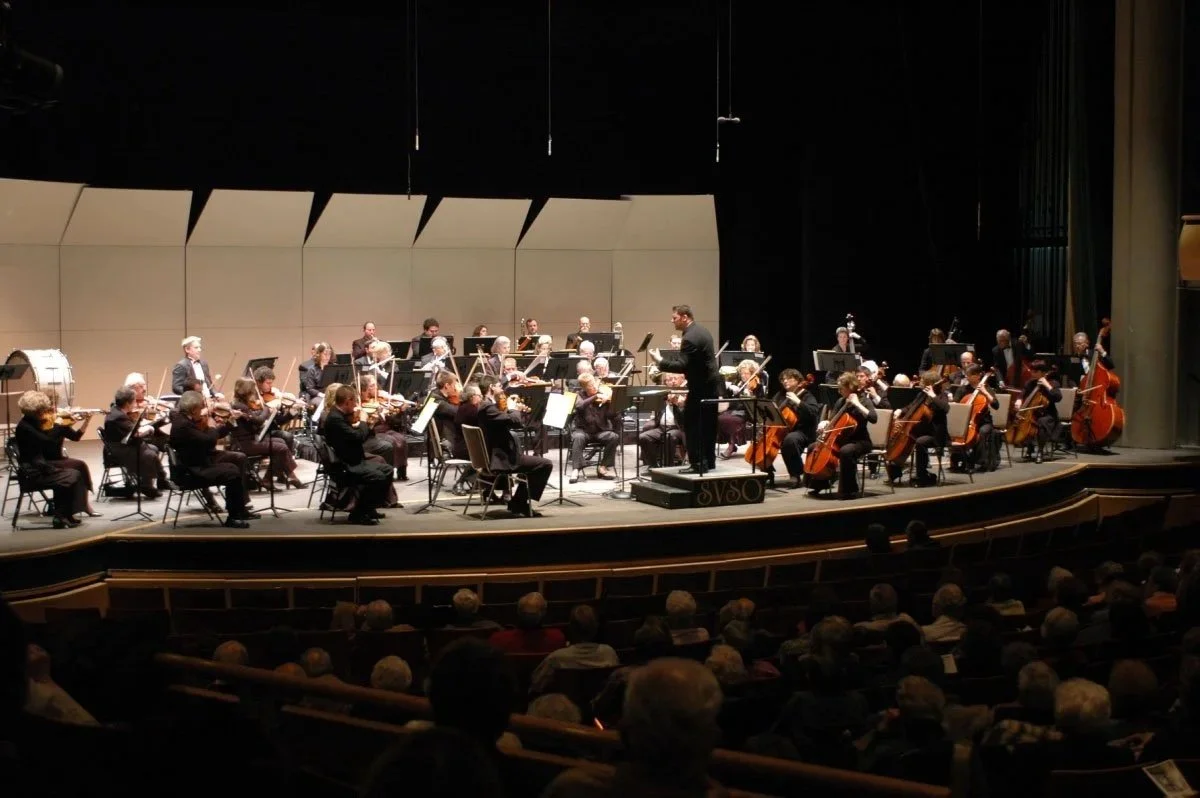
Skokie Valley Symphony Orchestra, conducted by Daniel Boico (Music Director, 2002-06), at the North Shore Center for the Performing Arts
Our MISSION
The mission of Third Coast Symphony is to promote education, provide entertainment, enrich audiences in the greater Chicago area through classical music concerts, encourage unity for diverse audiences through music, and present classical music in a way that is welcoming and enriching to all communities in the Chicago area.
Our Mandate
The mandate of Third Coast Symphony is to make great music eminently accessible and available to the entire community, regardless of age, ethnicity, or prior exposure. The orchestra welcomes talented professional musicians from all races, creeds, religions, genders, national origins, or disabilities.
All concerts are accessible to persons with disabilities, in compliance with the Americans with Disabilities Act (ADA).
Third Coast Symphony acknowledges support from the Illinois Arts Council and the Village of Skokie.
THE STORY
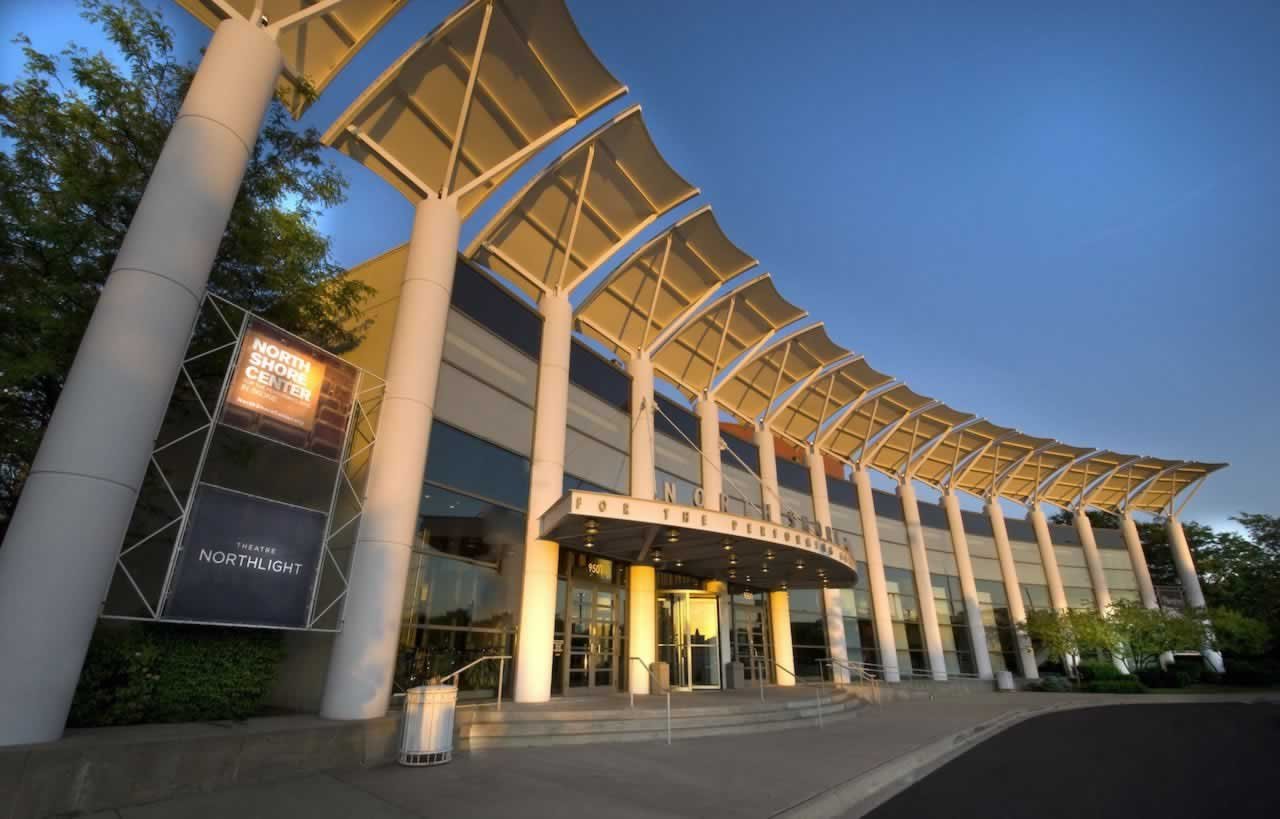
Building on the rich 60-year history of the Skokie Valley Symphony, the Third Coast Symphony is still based in Skokie at the North Shore Center for the Performing Arts. The name of the orchestra has been changed so that we can better serve our wider goals for the various communities we will be serving.
Beginning in 2018, Skokie Valley Symphony Orchestra board President Steve Blutza and Park Ridge Civic Orchestra Music Director Vic Muenzer met regularly to work on joining the two organizations. The goal was to build a more durable organization that could serve a much wider community, while still enriching the communities in which the two orchestras were founded.
Then the pandemic happened. Both orchestras were forced to cease operations. But Steve and Vic continued to meet and plan. As of 2025, the two have raised enough financial resources to become fully operational in 2026.
Third Coast Symphony will rehearse and perform at the North Shore Center but will do repeat performances at venues throughout the Chicago metro area. We are not waiting for distant communities to come to us; we will go to them.
Third Coast Symphony will present music that is new, along with music we have known, from composers of all backgrounds, performed by an ensemble as diverse as the repertoire. With that in mind, it is the mission of this orchestra to commission or bring new works of music from the Chicago metro community and from all over the country for each concert—new works right alongside performances from the great symphonic repertoire.
Our mandate is to present exciting performances at the highest artistic level possible to all segments of the wider community.
Symphonic Music Today
Symphonic music is one of the most exciting art forms of our era. While the orchestra is based on a three-century-old tradition, the modern orchestra of today bears little resemblance to its ancestors. The instruments used in today’s orchestras have been significantly modernized to the point where some instruments barely resemble their forebears. The musical ability of the players of these instruments has far surpassed what was once thought possible. Composers are writing for instruments and ensembles in innovative ways that no one would have conceived of even 50 years ago.
And then there is the wonder of the sound. The modern symphony orchestra is far louder, far softer, and capable of more color than almost any other form of musical expression. Composers are pushing the limits of this expression endlessly. And—here is the crazy part—symphony orchestras do this with no sound reinforcement. The symphony orchestra provides an overwhelming aural experience in a completely organic way. And this intimate symphonic experience has the ability to touch the human soul more directly than perhaps any other art form.
If one wants proof of this, one needs to look no further than at the motion picture industry of the last 80 years. In the ‘70s, Hollywood tried to give up the orchestral film score. But they found they could not because there is no other medium capable of conveying the high range of human emotion required to support the story of a film. When a movie director needs music to help his audience know how to feel about a scene or a plot twist, there is no better solution than the modern symphony orchestra. For example, consider the Marvel Cinematic Universe opening logo found at the beginning of all Marvel productions. That symphonic soundtrack provides a feeling of heroism that is unmatched.
There is something extraordinarily human about 100 musicians working together to create an overwhelming sound experience. All of these human beings creating one unified sound—this resonates with us, our audiences, our souls. There is nothing old-fashioned about this. This is a modern day, cutting-edge experience. It is an experience that should be available to everyone.